**Modernization of the Philippine Navy**
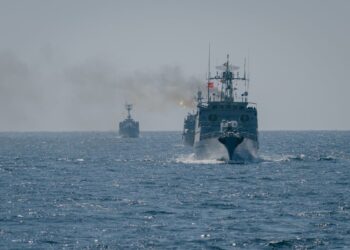
In Christchurch, New Zealand, significant advancements are being made in the Philippine Navy as it transitions from relying on outdated, second-hand vessels from the United States to the acquisition of new warships. This shift is driven by a rapid modernization program aimed at countering aggressive Chinese activities and territorial claims in the South China Sea.
**New Warship Commissioning**
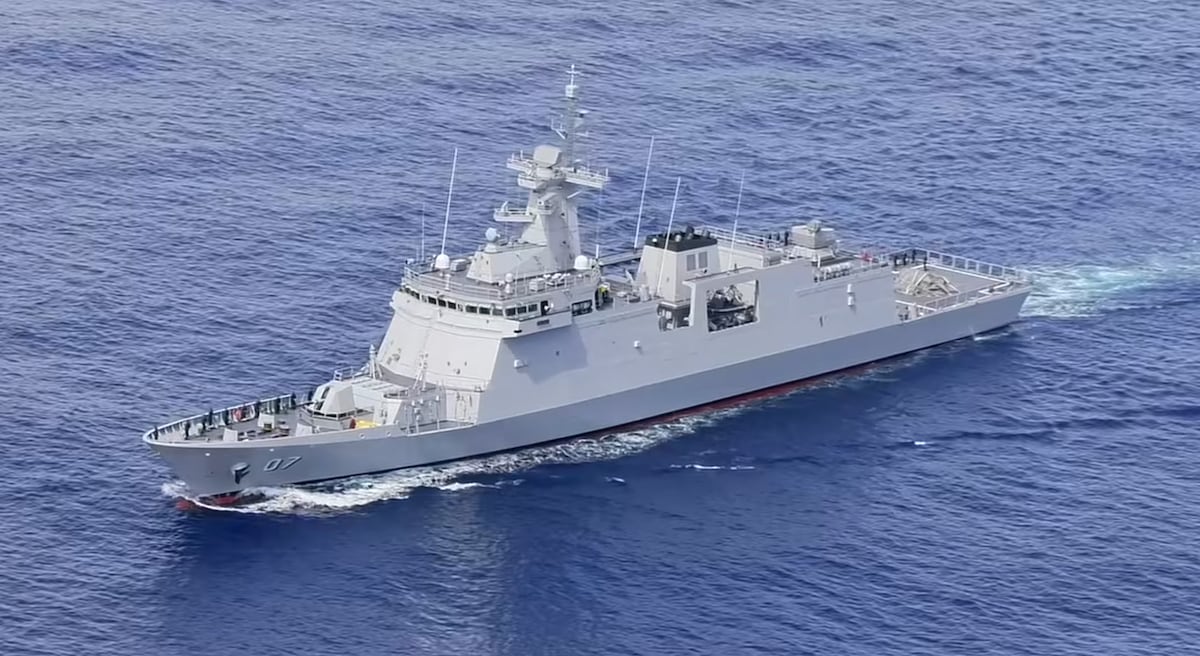
The Philippine Navy has recently commissioned the BRP Diego Silang, the second HDF-3200 Hybrid frigate, on December 2, 2023. This addition comes just six and a half months after the first-of-class BRP Miguel Malvare was inducted into service. Both frigates were part of a 28 billion peso (approximately $550 million) contract with South Korea’s HD Hyundai Heavy Industries (HHI), signed in 2021. These vessels displace 3,200 tons, measure 118.4 meters in length, and represent the most advanced warships acquired by the Philippines thus far.
**Capabilities of the New Vessels**
Rear Admiral Roy Vincent Trinidad, the Navy spokesperson for the West Philippine Sea, hailed the commissioning of BRP Diego Silang as a means to enhance the capabilities of the Philippine Navy to patrol its exclusive economic zone and beyond. The frigates are equipped with a vertical launch system for missiles, comprising 16 cells for VL MICA missiles from MBDA and eight SSM-700K C-Star anti-ship missiles from LIG Nex1.
**Ongoing Expansion Initiatives**
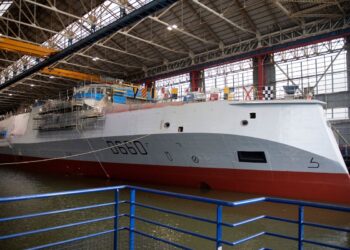
These new frigates join the two 2,600-ton Jose Rizal-class frigates that were constructed by HHI and commissioned between 2020 and 2021, marking the beginning of a productive partnership between Hyundai and the Philippine military. Additionally, plans are underway for HHI to deliver six HDP-2200+ offshore patrol vessels (OPVs) by 2028, with the second vessel, Rajah Lakandula, launched on November 20.
The Philippine Armed Forces is aiming for further expansion under the Re-Horizon 3 program, which has allocated 43 billion pesos ($294 million) for two additional frigates and their weapons. No platform has been finalized yet, but Hyundai is offering an updated version of the HDF-3200 or the larger HDF-3500.
**Strategic Importance of the Philippines**
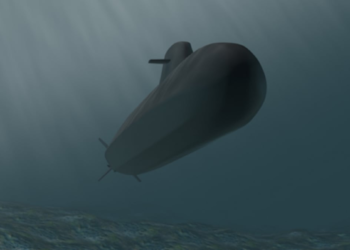
Hyundai has indicated that the Philippines is regarded as a “strategic customer,” with a relatively small percentage of its revenue deriving from naval ship construction. Nevertheless, the company takes pride in its naval technology, which it considers superior to its commercial ship offerings. Notably, South Korea’s Hanwha Ocean is also competing for naval contracts, particularly for KSS-III diesel-electric submarines.
**Collaborative Efforts Amid Competition**
To mitigate competition between these shipbuilders, the Defense Acquisition Program Administration of South Korea facilitated a memorandum of understanding on February 25, creating a “One Team” initiative to unify their marketing strategies. Hanwha Ocean is set to lead submarine export campaigns, while Hyundai focuses on surface warships.
Despite this collaboration, competition persists. Both companies are vying for contracts in Saudi Arabia and Thailand, with Hyundai promoting its HDF-6000 frigate and Hanwha marketing its Ocean 4500 design. At the Defense & Security 2025 exhibition in Bangkok, Hyundai showcased various frigate models suitable for the Royal Thai Navy, while Hanwha also displayed its frigate design.
**Conclusion**
As the Philippine Navy progresses in its modernization efforts, the shipbuilding sector in South Korea demonstrates a strong capability to deliver vessels on schedule and within budget. HHI anticipates delivering 48 commercial vessels and two naval ships in 2025, contributing to a total of 149 naval vessels produced to date, which marks a significant achievement in enhancing the naval capabilities of the region.