**Location and Overview**
Istanbul – Romania’s plan to acquire a Turkish-built Hisar-class offshore patrol vessel (OPV) is progressing toward completion, with the Romanian Ministry of Defence confirming that a contract signing is imminent. This follows unanimous parliamentary approval received in September 2023.
**Delivery Timeline and Operational Needs**
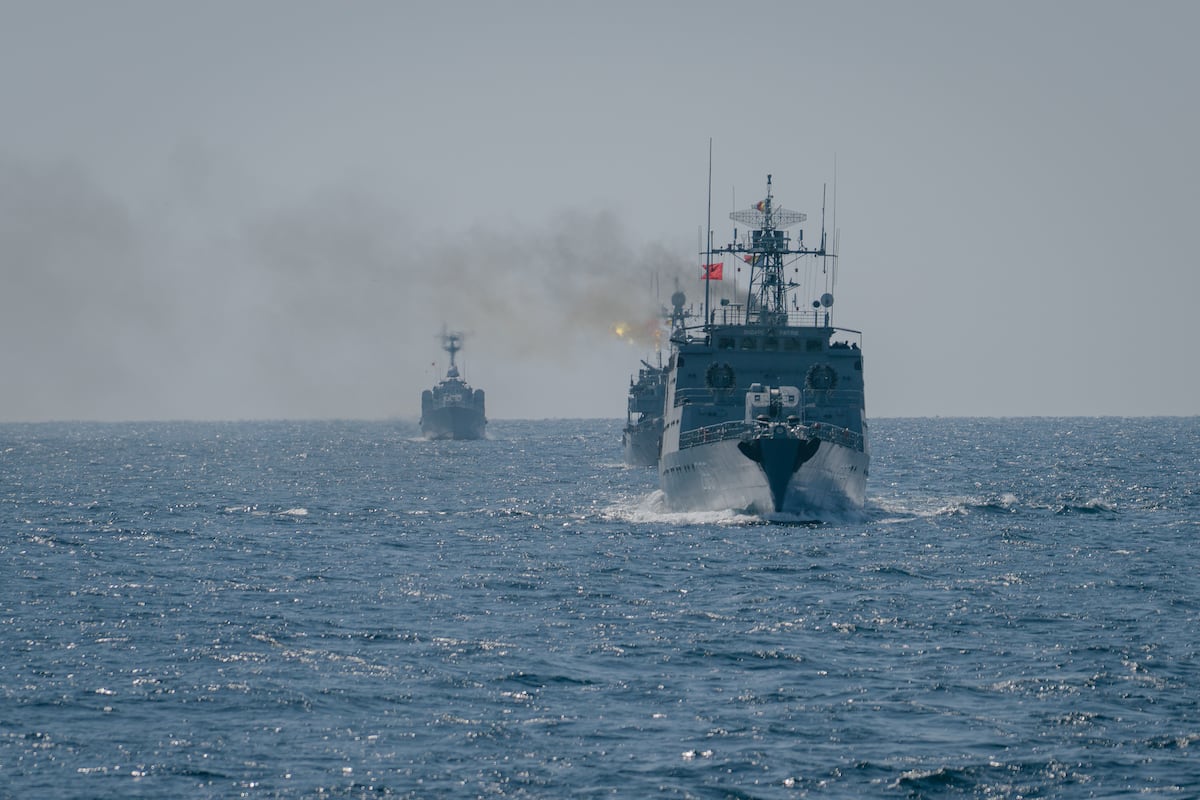
The acquisition entails delivering one vessel to the Black Sea city of Constanța within six months post-signing. This move is critical for Romania, addressing gaps in its Black Sea fleet, which largely consists of aging platforms from the late Cold War era and is facing ongoing delays in major procurement projects.
**Development and Government Actions**
The exploration of this acquisition became public after Romania’s Supreme Council of National Defence (CSAT) endorsed it in March 2025. By August 2025, Defense Minister Ionuț Moșteanu announced the intention to acquire a Hisar-class ship from Turkey.
**Financial Aspects**
The total cost of the ship is reported to be €223 million (approximately $258 million), with an additional €42 million earmarked for specific modifications required by Romania.
**Transfer and Coordination**
The vessel is set to be transferred under a government-to-government agreement with Turkey, coordinated by Military Factory and Shipyard Management Inc. (ASFAT) on the Turkish side.
**Vessel Specifications**
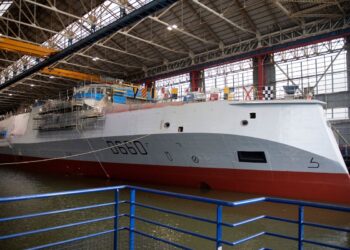
In September 2023, two Hisar-class patrol vessels, TCG Akhisar and TCG Koçhisar, were launched at the Istanbul Naval Shipyard. Each vessel is about 100 meters long, with a beam of 14 meters, a draft of 4 meters, and a displacement of around 2,300 tons.
**Armament and Capabilities**
At launch, both ships were equipped with a 76mm main gun, two 12.7mm remote-controlled weapon stations, Aselsan’s Cenk 100-N fire-control radars, TÜBİTAK’s Yelkovan ESM suite, and a hull-mounted sonar. The design allows for further weapon systems to be integrated.
**Future Modifications**
The transfer will occur with the ship largely in its existing configuration for a swift handover. However, it will also allow Romania the opportunity to integrate additional systems domestically, such as the Naval Strike Missile (NSM), which is intended to serve as the primary anti-ship capability upon the vessel’s arrival in Romania.
**Author Information**
Cem Devrim Yaylali is a correspondent for Defense News based in Turkey. He has a keen interest in military ships and naval defense issues. Originally from Paris, France, he currently resides in Istanbul, Turkey, and is married with one son.